When it comes to painting walls, homeowners often face the same question: “Should I spray or roll to achieve the best finish that lasts for years?” The answer is nuanced. Both methods are effective, but the choice depends on several factors: the surface type, paint type, project size, desired finish, and how long you expect the paint to last.
Spray painting walls offers speed and an ultra-smooth finish, especially on large, flat surfaces. Rolling, meanwhile, is slower but provides excellent control, is more forgiving on textured walls, and can be easier for DIY projects.
This guide will help you make an informed choice. You’ll learn about application efficiency, finish quality, longevity, prep requirements, and cost considerations. Plus, we’ll provide product-specific and service-specific tips to ensure your next painting project goes smoothly.
Spray vs. Roller Painting – Understanding the Basics
Spray Painting Overview
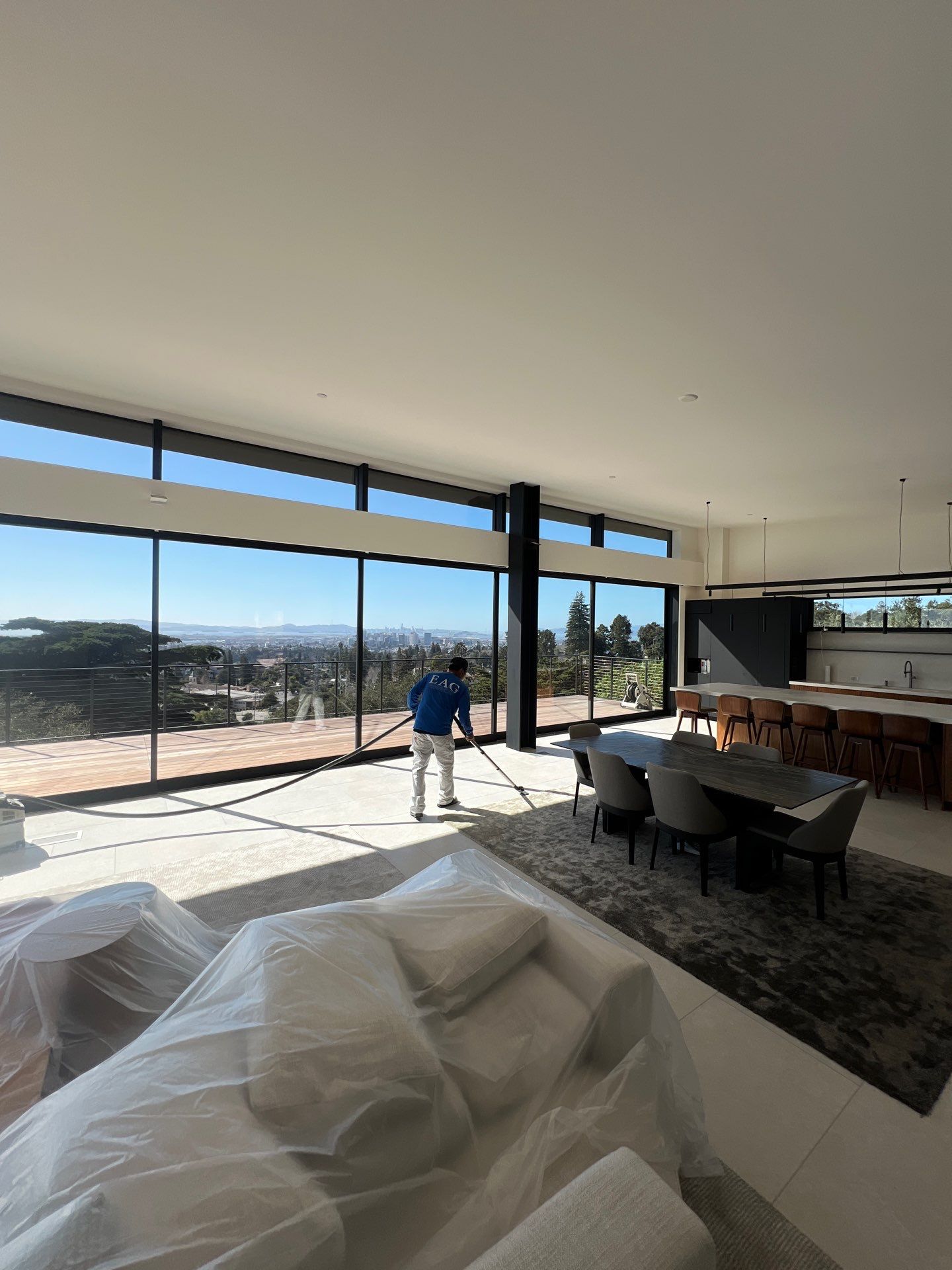
Spray painting walls uses airless or HVLP sprayers to apply paint evenly over a surface. It is particularly effective for large, smooth walls, ceilings, doors, and cabinetry.
Advantages:
-
Fast coverage, saving time on large projects
-
Uniform finish without roller marks
-
Can reach corners, moldings, and crevices easily
Disadvantages:
-
Risk of overspray, requiring careful masking
-
Prep-intensive; furniture and floors must be protected
-
Equipment costs are higher than rollers
Spray painting is widely used for painting walls due to its speed and the professional-quality finish it achieves.
Roller Painting Overview
Rolling involves applying paint with a roller of appropriate nap length depending on wall texture. Brushes are used for edges, trim, and small details.
Advantages:
-
Lower equipment cost; rollers are inexpensive and reusable
-
Minimal overspray, making it safer for small rooms
-
Easier control, especially for beginners
Disadvantages:
-
Slower on large surfaces
-
Slight texture or roller marks may remain, requiring multiple coats for a perfectly smooth finish
Rolling is ideal for textured walls, ceilings, or smaller rooms, and is the most common method for DIY painting projects.
Surface and Paint Suitability
Choosing the right method depends heavily on surface type and paint compatibility.
Surfaces Best for Spraying
-
Smooth interior walls and ceilings
-
Doors, cabinets, and furniture
-
High-gloss or semi-gloss paints, which achieve an even, professional sheen when sprayed
Spray painting walls minimizes brush strokes and roller marks, making it ideal for areas where a flawless, high-end look is desired.
Surfaces Best for Rolling
-
Textured walls that naturally hide minor imperfections
-
Small rooms or ceilings with limited maneuvering space
-
Projects where budget paints or minimal masking are preferred
Rolling provides better control on uneven surfaces and is often easier to manage for DIYers.
Service-Specific Prep Products
Proper prep is critical for long-lasting results when painting walls:
-
Primers: Zinsser Cover-Stain, Sherwin-Williams Multi-Purpose Primer
-
Caulks/Sealants: Sashco Big Stretch, SherMax Elastomeric
-
Sanding Tools: Festool or Makita orbital sanders
-
Masking Supplies: 3M Painter’s Tape, drop cloths, protective sheeting
Using the right combination ensures paint adheres properly, maintains its finish, and resists peeling or chipping.
Finish Quality: Smoothness, Uniformity, and Texture
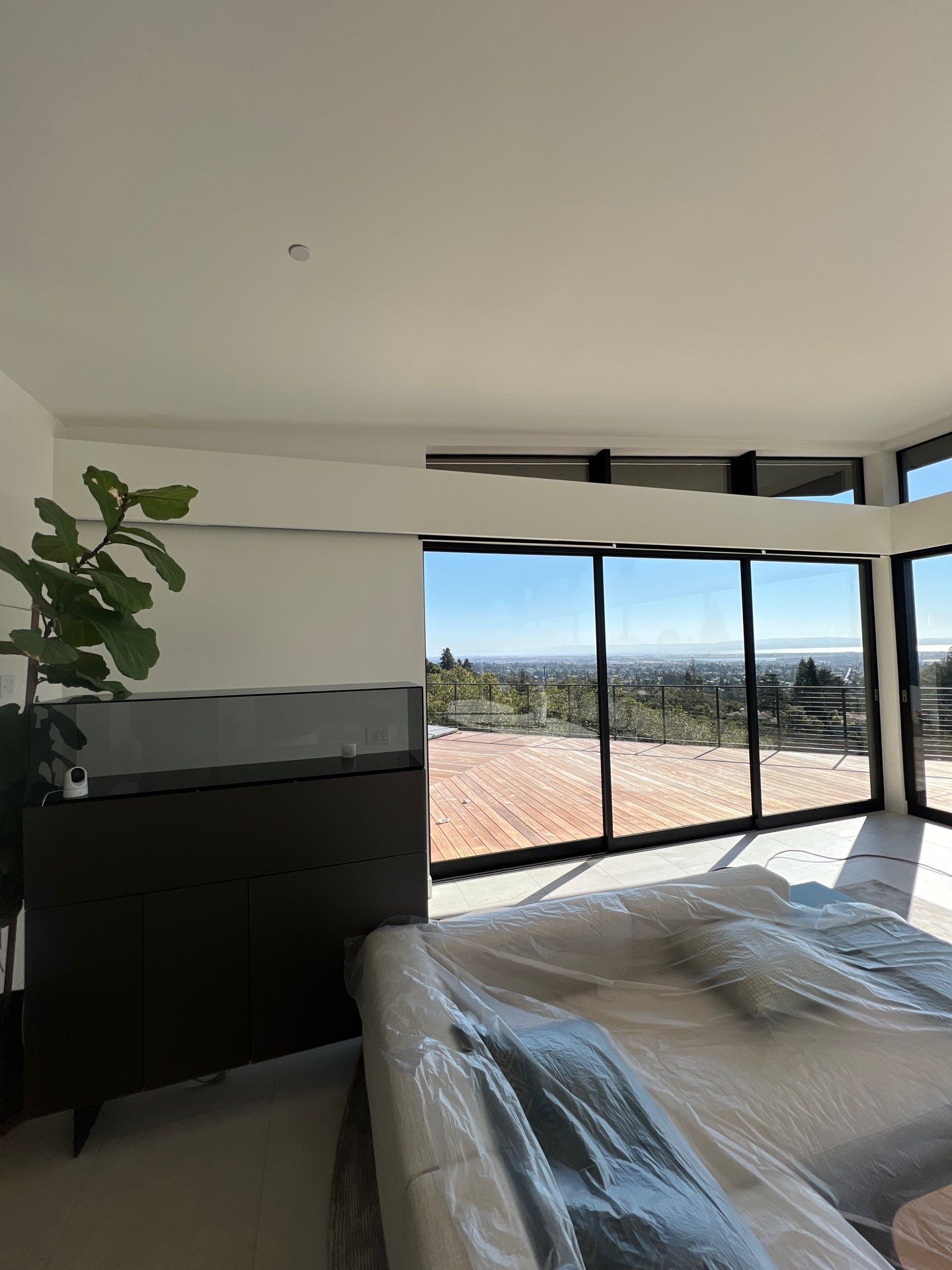
Finish quality is often the deciding factor between spraying and rolling.
Spray Finish
Spray painting walls produces an ultra-smooth, professional-quality finish that eliminates roller or brush marks. It works best on large, flat surfaces and high-gloss paints. Skilled application is crucial; improper technique can lead to drips or uneven layers.
Roller Finish
Rolling leaves a slight texture, which can be visually appealing in some interior styles. Rollers provide controlled application for small or irregular surfaces, but multiple coats may be needed to match the smoothness of a sprayed finish.
Service Examples
-
Cabinet refinishing: Sprayed finish achieved near-factory smoothness in 1–2 coats
-
Living room walls: Rolled finish required 2–3 coats; minor roller texture remained
These examples show how painting walls with the right method can dramatically affect the final appearance.
Longevity and Durability of Paint
The longevity of your painted walls depends on prep, paint quality, and application technique, not just the method used.
Key Factors for Longevity
-
Proper surface preparation: cleaning, sanding, and priming
-
Paint quality: premium paints provide better coverage and resistance to wear
-
Correct number of coats and consistent application
Spray vs. Roll Durability Insights
-
Spray: Even, thin layers reduce the risk of cracking, peeling, and early wear
-
Roll: Thicker layers on textured surfaces may require touch-ups sooner, but still durable with proper prep
Product-Specific Tips
| Surface / Purpose | Recommended Products | Notes |
|---|---|---|
| Exterior walls | Sherwin-Williams Duration, Benjamin Moore Aura | Durable for sun, rain, and temperature changes |
| Interior smooth walls | Benjamin Moore Regal Select, Sherwin-Williams Cashmere | High-solids paints retain sheen longer when sprayed |
| Cabinets & trim | Benjamin Moore Advance, Sherwin-Williams Emerald Urethane | Sprayer recommended for factory-like smoothness |
Efficiency, Coverage, and Labor Considerations
Time and labor are significant factors when painting walls, especially for large areas.
Spray Painting Efficiency
-
Covers 400–500 sq. ft./hour on flat surfaces
-
Requires masking, drop cloths, and thorough prep
-
Can reduce labor costs for professional crews
Rolling Efficiency
-
Covers 150–250 sq. ft./hour
-
Minimal prep required
-
Ideal for DIY projects or smaller rooms
Comparison Table
| Factor | Spray Painting | Rolling |
|---|---|---|
| Labor Time | Faster on large walls | Slower |
| Prep & Masking | Extensive | Minimal |
| Equipment Cost | High (sprayer rental/purchase) | Low |
| Paint Waste | Higher (overspray) | Lower |
| Finish Quality | Ultra-smooth | Slight texture |
This table helps homeowners weigh time, cost, and finish quality when deciding on a method.
Common Concerns and How to Address Them
Overspray and Mess
Spray painting walls requires careful masking to avoid paint landing on unwanted surfaces. Rollers generate minimal overspray, making them easier to manage in occupied spaces.
Skill Requirements
Spray painting is technique-sensitive. Even experienced painters must maintain consistent pressure and distance. Rolling is more forgiving but still benefits from proper overlap and maintaining a wet edge.
Touch-Ups and Maintenance
-
Spray: Touch-ups may need careful blending
-
Roll: Easy to patch small areas without visible differences
With proper technique, painting walls can remain beautiful for years with minimal maintenance.
People Also Ask
Q: Does spray painting give a better finish than rolling?
A: Yes, particularly on smooth, large walls. Rolling works well on textured or small areas.
Q: Which method lasts longer, spray or roll?
A: Both are durable if proper prep, paint quality, and technique are used.
Q: Is spray painting more expensive than rolling?
A: Equipment and prep costs are higher, but faster coverage may save labor time.
Q: Can premium paint be applied with a roller?
A: Yes, extra coats may be needed to achieve ultra-smooth finish.
Q: Is spray painting recommended for DIY projects?
A: Possible, but requires skill and proper masking to prevent overspray.
Choosing the Right Method for Your Home Walls

Choosing between spraying and rolling comes down to surface type, project size, desired finish, and budget.
-
Spray painting: Best for smooth, large walls and professional-quality finish
-
Rolling: Best for textured walls, small rooms, and DIY-friendly projects
Both methods deliver durable, long-lasting results when paired with premium paint and proper surface prep. Assess your project carefully to select the most effective method for your home.