Oakland’s Mediterranean climate influences how often exterior paint needs replacement. Typically, repaint cycles range from 6 to 10 years depending on siding type, paint quality, surface preparation, and environmental factors like coastal fog, UV exposure, and salt air.
Repainting is critical to maintaining the protective barrier that prevents moisture intrusion, UV damage, and substrate deterioration. This guide details repaint frequency for Oakland’s climate, surface-specific durability, product recommendations, and signs indicating repaint necessity.
The 5 Key Factors Affecting Repaint Frequency in Oakland
1. Climate and Environmental Exposure
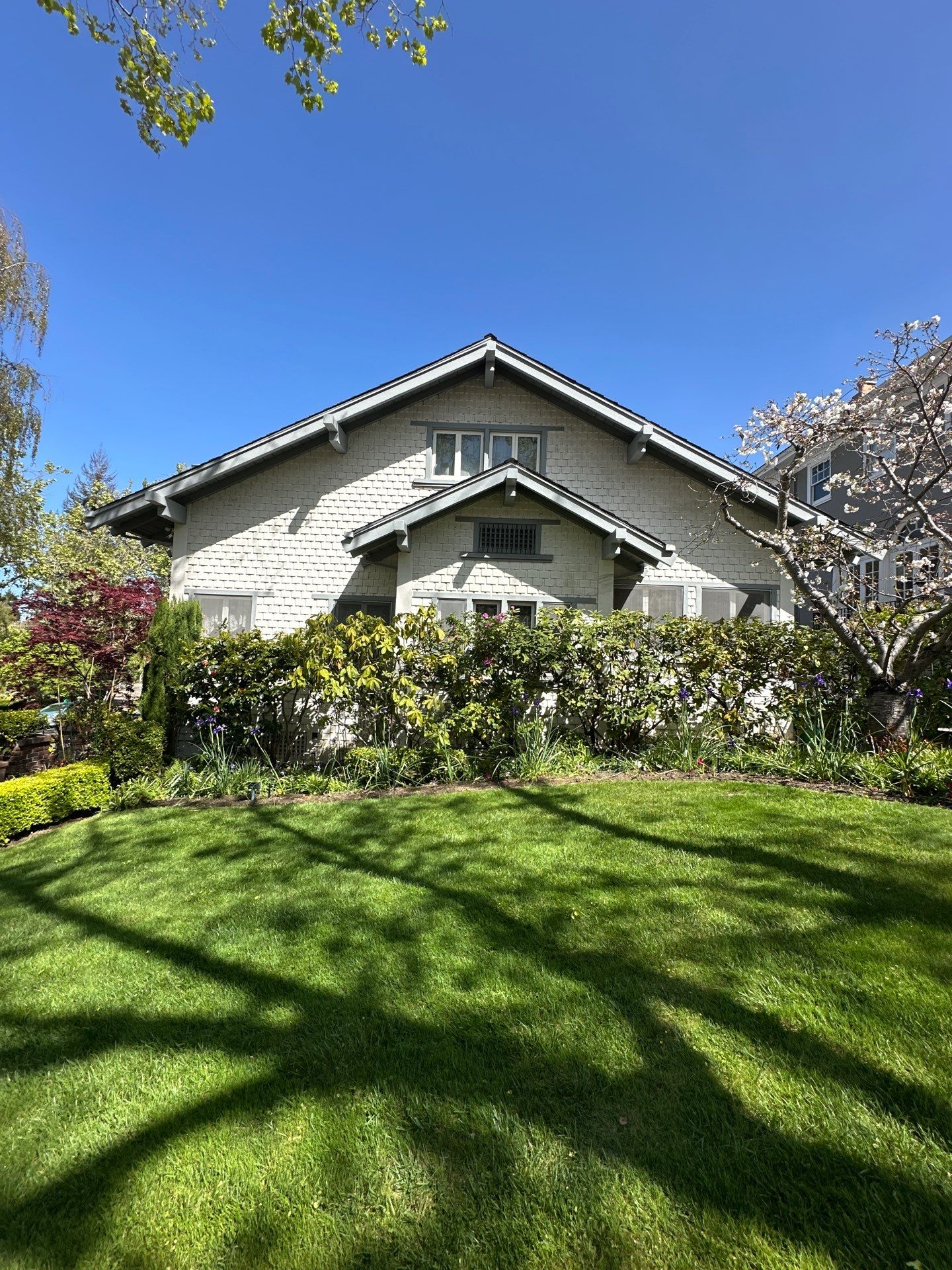
Oakland experiences moderate UV radiation, wet winters, and frequent marine fog. The marine layer increases moisture and salt exposure, accelerating mildew growth and metal corrosion. However, the absence of freeze-thaw cycles reduces cracking common in colder climates.
2. Surface Material
-
Wood siding absorbs moisture and is vulnerable to swelling and blistering.
-
Stucco is porous and prone to hairline cracks requiring flexible coatings.
-
Fiber cement offers dimensional stability and longer paint adherence.
-
Metal trim is susceptible to salt-induced corrosion.
3. Paint Type and Quality
Premium 100% acrylic latex paints with UV stabilizers and mildew-resistant properties are best suited for Oakland’s conditions. Elastomeric coatings provide flexibility and waterproofing for stucco surfaces. Low-quality paints degrade faster, increasing maintenance frequency.
4. Surface Preparation and Primer Quality
Thorough cleaning to remove salt deposits and mildew is essential. Primers must be compatible and mildew-resistant on wood, and corrosion-blocking on metals, ensuring proper adhesion and coating longevity.
5. Application Method
Correct application includes avoiding painting during high humidity or extreme temperatures, applying multiple thin coats, and adhering to manufacturer-recommended drying times and film thickness.
Repainting Frequency Guidelines for Oakland’s Climate
| Surface | Repaint Interval | Environmental Stressors | Recommended Paint Types | Notes |
|---|---|---|---|---|
| Wood Siding | 6–8 years | Moisture absorption, mildew, UV | 100% acrylic latex with mildew-resistant primer | Requires breathable, flexible coatings to prevent blistering |
| Stucco | 8–10 years | Porosity, hairline cracking, moisture | Elastomeric coatings with UV stabilizers | Flexibility accommodates expansion/contraction cracks |
| Fiber Cement | 8–12 years | UV exposure, moderate moisture | High-quality acrylic latex paints | Stable substrate that resists warping and paint failure |
| Metal Trim | 5–7 years | Salt air corrosion, moisture | Corrosion-blocking primers with acrylic or oil-modified paints | Requires regular inspection for rust prevention |
Surface-Specific Performance in Oakland’s Climate
Wood Siding
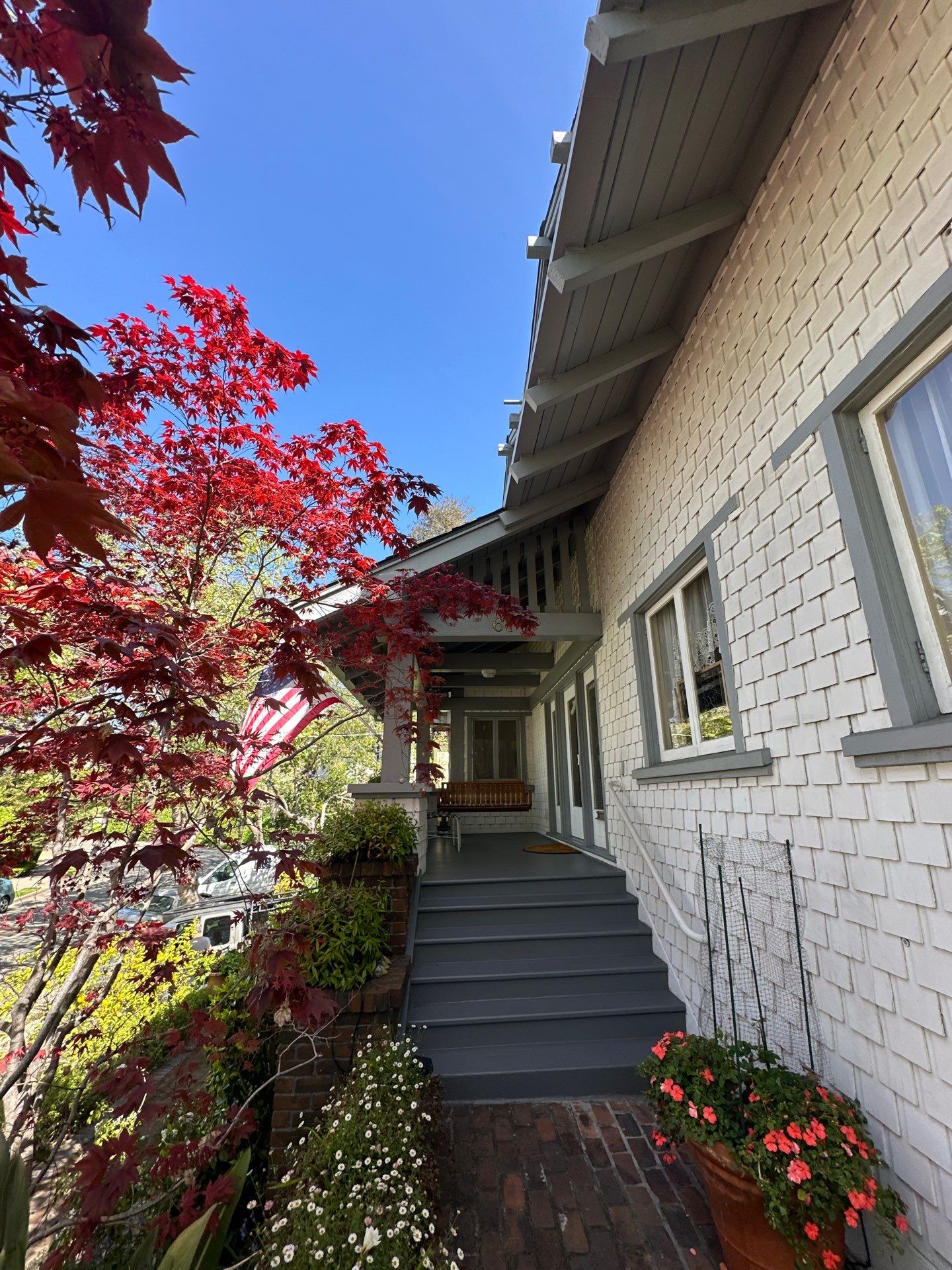
Wood absorbs moisture from Oakland’s frequent fog and damp winters, leading to swelling and blistering if coatings fail. Breathable, mildew-resistant acrylic latex paints applied over mildew-inhibiting primers reduce moisture-related failures. Expect repainting every 6 to 8 years. Inadequate prep or low-quality paint can shorten this interval by several years.
Stucco
Stucco’s high porosity permits moisture penetration, which exacerbates hairline cracks and paint delamination. Elastomeric coatings, with their capacity to stretch up to 400%, bridge cracks and prevent water ingress. Applying these coatings properly on a clean, dry surface with compatible primers yields 8–10 years of protection.
Fiber Cement
Widely used in Oakland, fiber cement’s dimensional stability limits substrate movement. This stability, combined with high-quality acrylic latex paints, provides an 8 to 12-year repaint interval. Fiber cement boards retain paint adhesion well when properly primed and cleaned before painting.
Metal Trim
Exposure to salt air significantly increases the risk of corrosion on metal surfaces. To mitigate this, corrosion-blocking primers combined with durable topcoats are essential. Repainting metal trim every 5 to 7 years minimizes rust and structural damage, with spot inspections recommended annually.
Identifying When It’s Time to Repaint
Signs to monitor annually include:
-
Chalking and fading caused by UV degradation, reducing paint’s protective qualities.
-
Peeling or blistering, which indicates moisture trapped beneath the paint film.
-
Mildew or algae growth, common in shaded or foggy areas.
-
Cracking, especially on stucco or older wood surfaces.
-
Rust spots on metal trim indicating paint failure and corrosion.
-
Damaged or missing caulk, allowing water intrusion around trim and windows.
Early detection through visual inspection can prevent substrate damage and costly repairs.
How Professionals Tailor Oakland Repaint Schedules
Local contractors assess:
-
Orientation and exposure: West- and north-facing walls encounter more moisture and salt spray, requiring earlier repainting.
-
Substrate moisture levels using meters to detect hidden dampness.
-
Product selection optimized for mildew resistance, UV protection, and flexibility.
-
Application timing during dry, moderate temperature windows ensures optimal film curing.
Maintenance Practices to Prolong Paint Life

-
Annual washing with low-pressure water and mild detergents removes salt and organic contaminants.
-
Clearing gutters and trimming vegetation reduces moisture buildup.
-
Re-caulking joints every 2–3 years maintains water-tight seals.
-
Mid-life inspections identify early paint degradation for timely repairs.
-
Maintaining paint records assists in consistent maintenance and warranty claims.
People Also Ask (FAQs)
Q1: How often should I repaint in Oakland?
Typically every 6–10 years depending on surface and exposure.
Q2: What paint types last longest here?
High-quality acrylic latex paints with UV and mildew resistance like Sherwin-Williams Duration® or Benjamin Moore Aura®.
Q3: Does foggy weather affect paint life?
Yes, moisture from fog increases mildew risk and potential blistering.
Q4: Can I paint only sun-exposed sides?
Yes, but professional color matching is necessary to avoid visible differences.
Conclusion
Oakland’s coastal Mediterranean climate requires durable, mildew-resistant paints paired with proper preparation and application. Paint lifespan varies by surface—6 to 10 years is typical. Investing in premium products and professional service extends protection and minimizes maintenance costs.
Contact a local painting expert to schedule a free evaluation and receive tailored repainting recommendations based on your home’s materials and specific exposure.